Cockroach control in apartments versus single-family homes
Why the setting matters for cockroach control
Anyone dealing with cockroaches quickly notices that the problem behaves differently depending on where you live. An apartment building and a detached house present very different conditions for cockroach control. The strategies that work well in one setting can fail in the other, and understanding the reasons helps homeowners and tenants choose the right approach.
Apartment dwellers share walls, floors, and ceilings with neighbours. A single-family home sits on its own land with no shared structures. That basic difference changes how cockroaches enter, where they hide, and how treatments hold up over time. Below we look at the main contrasts between the two settings and what each means for effective cockroach control.
How cockroaches enter each type of property
In a single-family home, cockroaches usually come in from the outside. They travel through gaps around doors, windows, utility lines, and foundation cracks. American cockroaches, for example, often enter through drain openings or weep holes in brickwork. The source of the infestation is the yard, sewer system, or neighbouring vegetation.
In an apartment, cockroaches can enter from outside, but they also move between units through shared walls, pipe chases, electrical conduits, and gaps around baseboards. A German cockroach population in one unit can spread to adjoining units even if those units are kept clean. The infestation is rarely an isolated problem. That means treating only one apartment may not solve the issue if neighbouring units remain untreated.
Harborage and movement patterns
Single-family homes offer cockroaches many hiding spots, but the harborage tends to be concentrated in kitchens, bathrooms, basements, and crawl spaces. Droppings and egg cases are usually found near food residue and moisture sources. Treatments can be thorough because a pest control professional can access all areas of the house.
Apartments present a different challenge. Harborage sites are not limited to one unit. Cockroaches can travel through wall voids and pipe chases to reach multiple kitchens and bathrooms. Egg cases may be deposited behind appliances in one unit while adults roam into another. This mobility means that even a meticulously clean apartment can become infested if neighbouring units have active populations. Gel bait and other treatments applied in one unit may kill cockroaches there, but new insects can move in from untreated areas.
Treatment approaches: what works where
For single-family homes, a comprehensive perimeter approach often works well. Sealing exterior cracks, treating the foundation perimeter, and addressing interior harborage areas can break the cycle. A professional can inspect the attic, crawl space, and basement to find all entry points. Because the home is a single structure under one owner’s control, follow-up treatments can be scheduled without coordinating with others.
In apartments, cockroach control requires cooperation. If one unit is treated but adjacent units are not, cockroaches will eventually return. Property managers and landlords often arrange building-wide treatments to address the problem at its source. Residents may need to prepare their units by clearing clutter, storing food in sealed containers, and cleaning up food residue before treatment. Gel bait and insect growth regulators are common tools, but their effectiveness depends on reducing harborage and eliminating moisture sources across the building.
Residents of apartments should also check for gaps around pipes under sinks, behind refrigerators, and along baseboards. Sealing these gaps helps slow the movement of cockroaches between units. However, sealing alone is not enough if the building has a widespread infestation.
Moisture and food sources
Both settings require attention to moisture and food. Cockroaches need water more than they need food. Leaky pipes, dripping faucets, and standing water in sinks or drains attract them. In single-family homes, moisture problems may be in the basement, crawl space, or around outdoor spigots. In apartments, leaks can travel through shared plumbing and affect multiple units.
Food residue is another common attractant. Crumbs, unsealed pet food, and dirty dishes provide a food source. Apartments with small kitchens may have less storage space, making it harder to keep all food in sealed containers. Single-family homes may have pantries that are easier to organise, but garages and basements can become overlooked sources of food for cockroaches.
When to call a professional
Both settings benefit from professional assessment. A trained technician can identify the species, locate harborage sites, and recommend a treatment plan. For single-family homes, the technician can focus on the house and yard, sealing entry points and applying treatments where needed. For apartments, the technician may need to work with property management to coordinate building-wide efforts.
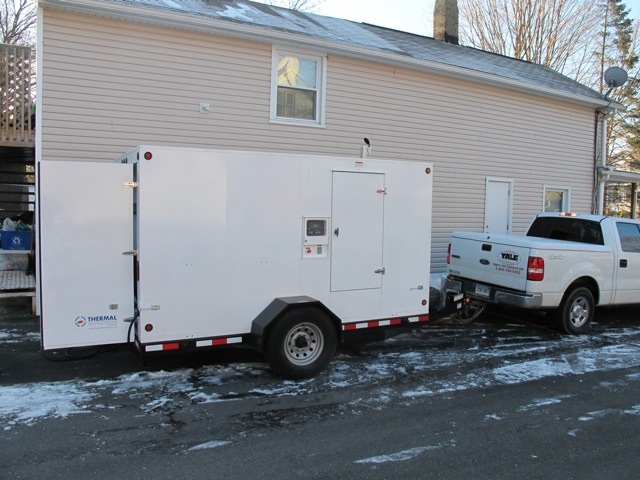
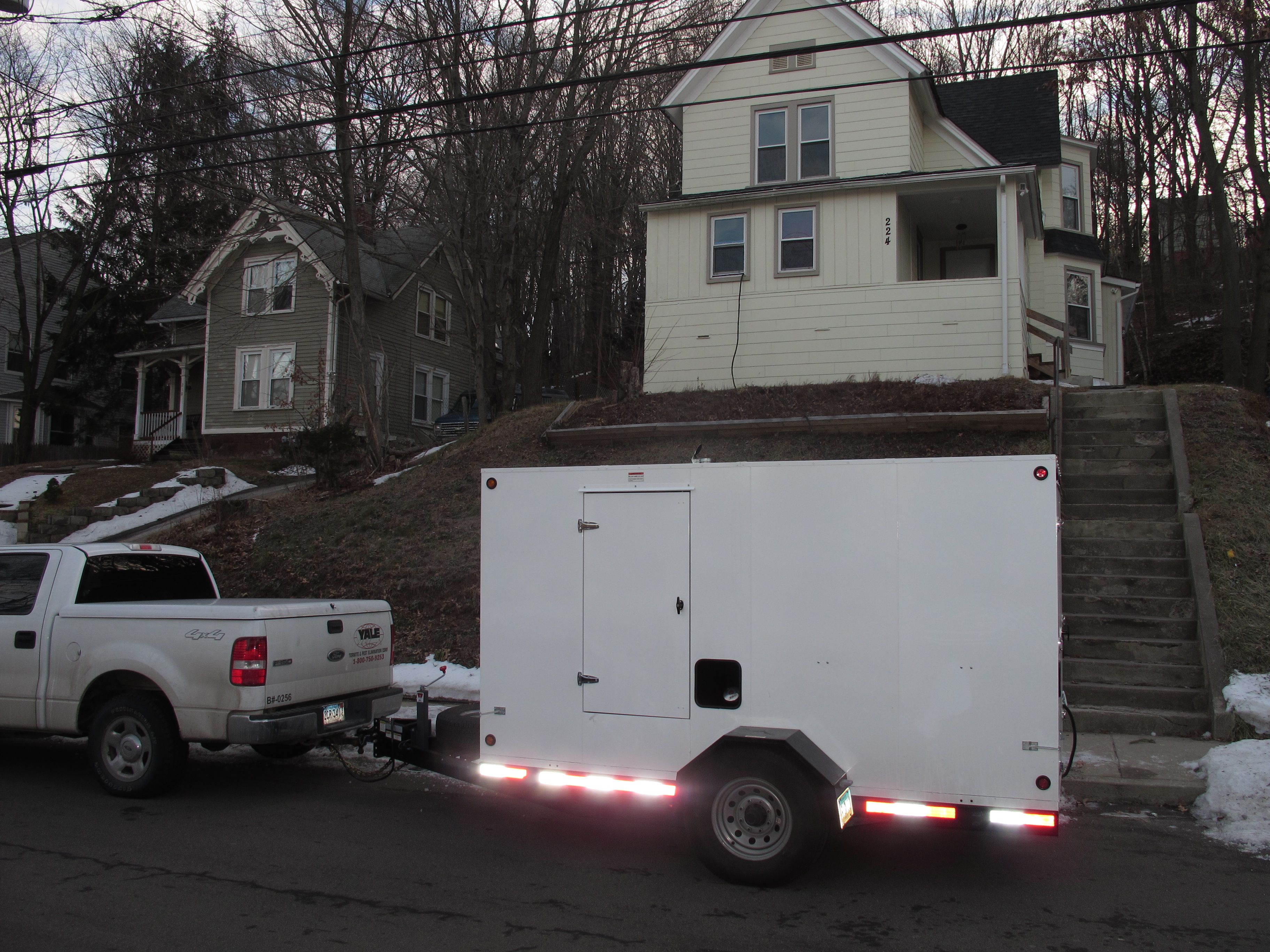
In Connecticut, a company such as Yale Pest Control handles both residential and commercial pest control across three counties. Their experience with different property types allows them to tailor treatments to the specific conditions of each job. Whether the issue is in a single-family home or an apartment complex, the approach should match the building’s layout and the extent of the infestation.
Prevention after treatment
After a successful treatment, prevention is the next step. In single-family homes, homeowners can maintain a barrier by keeping the exterior sealed, trimming vegetation away from the foundation, and fixing leaks promptly. Regular cleaning and reducing clutter inside the home also help.
In apartments, residents can take similar steps within their own unit, but they also rely on the building’s overall maintenance. Reporting leaks, keeping shared trash areas clean, and notifying management of cockroach sightings in common areas are important. Apartment dwellers may need to accept that occasional monitoring is necessary, especially in buildings with many units.
Understanding the cockroach species involved
The type of cockroach also affects the control strategy. German cockroaches are small, breed rapidly, and prefer indoor environments. They are the most common species in apartments and multifamily housing because they thrive in warm, humid spaces with easy access to food and water. Their egg cases are carried by the female until they are ready to hatch, which means the eggs are less likely to be scattered by cleaning.
American cockroaches are larger, prefer darker and damper areas, and are more common in basements, sewers, and crawl spaces. They are often found in single-family homes with basements or in commercial buildings. Their egg cases are deposited in sheltered locations, and they can travel long distances from their harborage to find food.
Knowing which species is present helps determine the best treatment. German cockroach infestations often require thorough interior treatments with gel bait and insect growth regulators, combined with building-wide efforts. American cockroach infestations may respond better to perimeter treatments and sealing exterior entry points.
Cost and time considerations
Treating cockroaches in a single-family home can be a one-time expense if the infestation is caught early and the house is properly sealed. Follow-up visits may be needed for several weeks, but the homeowner controls the schedule. In apartments, the cost may be shared through rent or condo fees if the building handles pest control. However, the time frame for eradication can be longer because the problem may involve multiple units and require repeated treatments.
Residents should also consider the disruption. Preparing an apartment for treatment often involves moving furniture, covering dishes, and vacating for a few hours. In a single-family home, the same preparation is needed, but the household can plan around their own schedule.
Final thoughts on choosing the right approach
Cockroach control is not a one-size-fits-all job. The setting, apartment or single-family home, determines the source of the infestation, the movement patterns of the pests, and the most effective treatment strategy. For a single-family home, focus on sealing the exterior, eliminating moisture, and treating interior harborage. For an apartment, building-wide cooperation, sealing gaps between units, and professional coordination with property management are essential.
If you are dealing with cockroaches, take time to understand your building’s layout and the habits of the species you see. A professional pest control service can provide a targeted plan. For residents in Connecticut, Yale Pest Control offers residential and commercial pest control services that are tailored to each property type. With the right approach, you can reduce the cockroach population and keep your home comfortable and sanitary.